Buy avodart.eu ?
We are moving the project
avodart.eu .
Are you interested in purchasing the domain
avodart.eu ?
domain@kv-gmbh.de · 0541-91531010
Buy avodart.eu ?
What is purchasing power increase?
Purchasing power increase refers to the ability of an individual or a population to buy more goods and services with the same amount of money. This can occur due to various factors such as an increase in income, a decrease in the price of goods and services, or a decrease in the cost of living. When purchasing power increases, people can afford to buy more, leading to higher standards of living and improved economic well-being. **
What purchasing power does 50 DM have today?
As of 2021, the Deutsche Mark (DM) is no longer in circulation as Germany adopted the Euro as its official currency in 2002. Therefore, 50 DM would have no purchasing power today as it is no longer a valid form of currency. If converted to Euros, the value would depend on the exchange rate at the time of conversion. **


Similar search terms for Purchasing power
Top-Angebote
Products related to Purchasing power:


-
How can the federal government support purchasing power?
The federal government can support purchasing power by implementing policies that stimulate economic growth and job creation, such as investing in infrastructure projects, providing tax incentives for businesses to hire more workers, and increasing the minimum wage. Additionally, the government can provide financial assistance to individuals and families in need through programs like unemployment benefits, food assistance, and housing subsidies. By boosting overall economic activity and ensuring that people have the means to make purchases, the federal government can help support purchasing power and drive consumer spending. **
-
Why was there better purchasing power back then?
There was better purchasing power back then due to several factors. One reason is that the cost of living was generally lower, with goods and services being more affordable. Additionally, wages were often higher in comparison to the cost of goods, allowing people to have more disposable income. Furthermore, there were fewer expenses related to technology and modern conveniences, which meant that people could allocate more of their income towards purchasing goods and services. **
-
What is the difference between purchasing power and inflation?
Purchasing power refers to the amount of goods and services that can be bought with a specific amount of money. It is essentially the value of money in terms of what it can buy. Inflation, on the other hand, is the rate at which the general level of prices for goods and services is rising, leading to a decrease in the purchasing power of a currency. Inflation erodes the value of money over time, reducing the amount of goods and services that can be purchased with the same amount of money. **
-
Can you reproduce the graphic on purchasing power parity?
I'm sorry, but I am unable to reproduce graphics or images. However, I can provide you with a description or explanation of the concept of purchasing power parity if that would be helpful. Let me know how I can assist you further. **
How can purchasing power be supported through tax cuts?
Purchasing power can be supported through tax cuts by putting more money into the hands of consumers. When individuals and businesses have lower tax obligations, they have more disposable income to spend on goods and services. This increased spending can stimulate economic growth and support businesses, which in turn can lead to job creation and higher wages. Additionally, tax cuts can incentivize investment and entrepreneurship, further boosting economic activity and purchasing power. **
Who should be responsible for inflation and purchasing power?
The responsibility for managing inflation and purchasing power should primarily fall on the government and central bank of a country. The government can influence inflation through fiscal policies such as taxation and government spending, while the central bank can use monetary policies such as interest rates and money supply to control inflation. Additionally, businesses and consumers also play a role in managing purchasing power through their spending and investment decisions. Ultimately, it is a collective effort involving both government and individuals to maintain stable inflation and purchasing power in an economy. **
Top-Angebote
Products related to Purchasing power:
-
Ebury press The Plant Power Doctor: A simple prescription for a healthier you (Includes delicious recipes to transform your health)'Dr Gemma is one of the few brave voices in the medical community who is experienced, courageous and confident enough to talk openly about food and its significance in preventing disease to save lives.' Dr Rupy Aujla'Packed full of leading science in a very accessible way and lots of beautiful recipes too.' The Happy Pear'The Plant Power Doctor should be on bookshelves of everyone who wants to live a longer, better life.' Dan Buettner'One of a new wave of GPs who prescribe lifestyle changes as well as drugs.' The TelegraphYou can eat your way to a brighter futureJust imagine if what you put on your plate could radically improve your health right now AND make you healthier in the future too...British family doctor Gemma Newman explores how a simple change in diet helps many common chronic illnesses - from diabetes and heart disease to obesity - and the science that explains why it works.Enjoy over 60 delicious meal ideas to kick-start your plant-powered eating, along with simple shopping lists and meal plans. This book contains everything you need to futureproof your body and mind.10,99 £*Shipping: 2,99 £Secure redirect to the provider
-
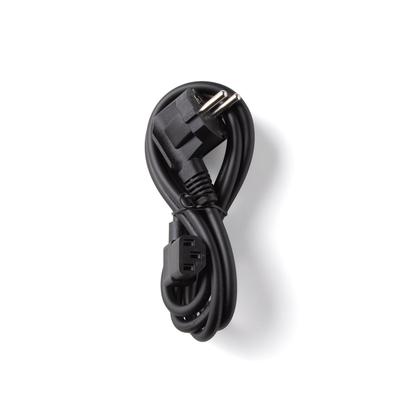
Multicon Wholesale Hub RV Power Inlet Plug NEMA Flanged Shore Power Socket RV Power Inlet Plug NEMA Flanged Shore Power SocketAdventure feels easier when your power connection is simple, secure, and ready when you are. This RV power inlet plug gives campers, trailers, boats, sheds, and vans a clean exterior power access point for everyday 125V needs. Designed as a NEMA...69,97 $*Shipping: 0,00 $Secure redirect to the provider
-
What is purchasing power increase?
Purchasing power increase refers to the ability of an individual or a population to buy more goods and services with the same amount of money. This can occur due to various factors such as an increase in income, a decrease in the price of goods and services, or a decrease in the cost of living. When purchasing power increases, people can afford to buy more, leading to higher standards of living and improved economic well-being. **
-
What purchasing power does 50 DM have today?
As of 2021, the Deutsche Mark (DM) is no longer in circulation as Germany adopted the Euro as its official currency in 2002. Therefore, 50 DM would have no purchasing power today as it is no longer a valid form of currency. If converted to Euros, the value would depend on the exchange rate at the time of conversion. **
-
How can the federal government support purchasing power?
The federal government can support purchasing power by implementing policies that stimulate economic growth and job creation, such as investing in infrastructure projects, providing tax incentives for businesses to hire more workers, and increasing the minimum wage. Additionally, the government can provide financial assistance to individuals and families in need through programs like unemployment benefits, food assistance, and housing subsidies. By boosting overall economic activity and ensuring that people have the means to make purchases, the federal government can help support purchasing power and drive consumer spending. **
-
Why was there better purchasing power back then?
There was better purchasing power back then due to several factors. One reason is that the cost of living was generally lower, with goods and services being more affordable. Additionally, wages were often higher in comparison to the cost of goods, allowing people to have more disposable income. Furthermore, there were fewer expenses related to technology and modern conveniences, which meant that people could allocate more of their income towards purchasing goods and services. **
Similar search terms for Purchasing power
-
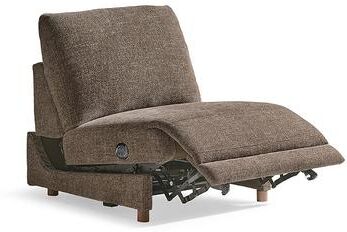
Tristan Power Sectional Seating - Build Your Own, Armless Power Chair, Power Reclining Armless Chair/Everett Mushroom - Grandin RoadBuild a custom arrangement or choose from pre-configured sets . Reclining chairs feature wall-hugging, space-saving design - components move down and out. Recline in full comfort at the push of a button . Convenient, built-in USB-A and C charging...959,25 $*Shipping: 199,00 $Secure redirect to the provider
-
What is the difference between purchasing power and inflation?
Purchasing power refers to the amount of goods and services that can be bought with a specific amount of money. It is essentially the value of money in terms of what it can buy. Inflation, on the other hand, is the rate at which the general level of prices for goods and services is rising, leading to a decrease in the purchasing power of a currency. Inflation erodes the value of money over time, reducing the amount of goods and services that can be purchased with the same amount of money. **
-
Can you reproduce the graphic on purchasing power parity?
I'm sorry, but I am unable to reproduce graphics or images. However, I can provide you with a description or explanation of the concept of purchasing power parity if that would be helpful. Let me know how I can assist you further. **
-
How can purchasing power be supported through tax cuts?
Purchasing power can be supported through tax cuts by putting more money into the hands of consumers. When individuals and businesses have lower tax obligations, they have more disposable income to spend on goods and services. This increased spending can stimulate economic growth and support businesses, which in turn can lead to job creation and higher wages. Additionally, tax cuts can incentivize investment and entrepreneurship, further boosting economic activity and purchasing power. **
-
Who should be responsible for inflation and purchasing power?
The responsibility for managing inflation and purchasing power should primarily fall on the government and central bank of a country. The government can influence inflation through fiscal policies such as taxation and government spending, while the central bank can use monetary policies such as interest rates and money supply to control inflation. Additionally, businesses and consumers also play a role in managing purchasing power through their spending and investment decisions. Ultimately, it is a collective effort involving both government and individuals to maintain stable inflation and purchasing power in an economy. **
* All prices are inclusive of VAT and, if applicable, plus shipping costs. The offer information is based on the details provided by the respective shop and is updated through automated processes. Real-time updates do not occur, so deviations can occur in individual cases. ** Note: Parts of this content were created by AI.